

March is Endometriosis Awareness Month; and a time to raise awareness of a condition that affects approximately 1 in 10 women worldwide.
This very much resonates with me as I was finally diagnosed with severe endometriosis at 38 after suffering with terrible period pain since I was 12 years old. Mine was diagnosed via a keyhole surgery called a laparoscopy; which is the gold standard in endo diagnosis, and explains why so many women suffer without being properly diagnosed.
Endometriosis is often misunderstood as “just bad periods.” In reality, it is a chronic inflammatory condition that can affect the ovaries, fallopian tubes, bowel, bladder, and pelvic lining, causing significant pain, fatigue, digestive issues, and fertility challenges.
Nutrition is not a cure, as endo is complex and requires medical care, but food can meaningfully influence inflammation, hormone metabolism, gut health, and pain pathways; all of which are relevant in endometriosis.
What Is Endometriosis?
Endometriosis occurs when tissue similar to the lining of the uterus grows outside the uterus. Unlike the uterine lining, this tissue has no way to exit the body during menstruation, contributing to inflammation and pain.
It is associated with:
Chronic pelvic pain
Severe menstrual cramps
Pain with ovulation or intercourse
Heavy bleeding
Bloating and IBS-like symptoms
Fatigue
Research suggests endometriosis involves:
Chronic inflammation
Oestrogen sensitivity
Immune system dysregulation
Oxidative stress
Alterations in the gut microbiome
How can Nutrition be helpful?
The good news is that nutrition can influence several of these pathways.
Reducing Inflammation Through Food
Endometriosis lesions produce inflammatory compounds such as prostaglandins and cytokines. While we cannot eliminate inflammation entirely, we can influence its intensity.
Focus on Anti-Inflammatory Foundations
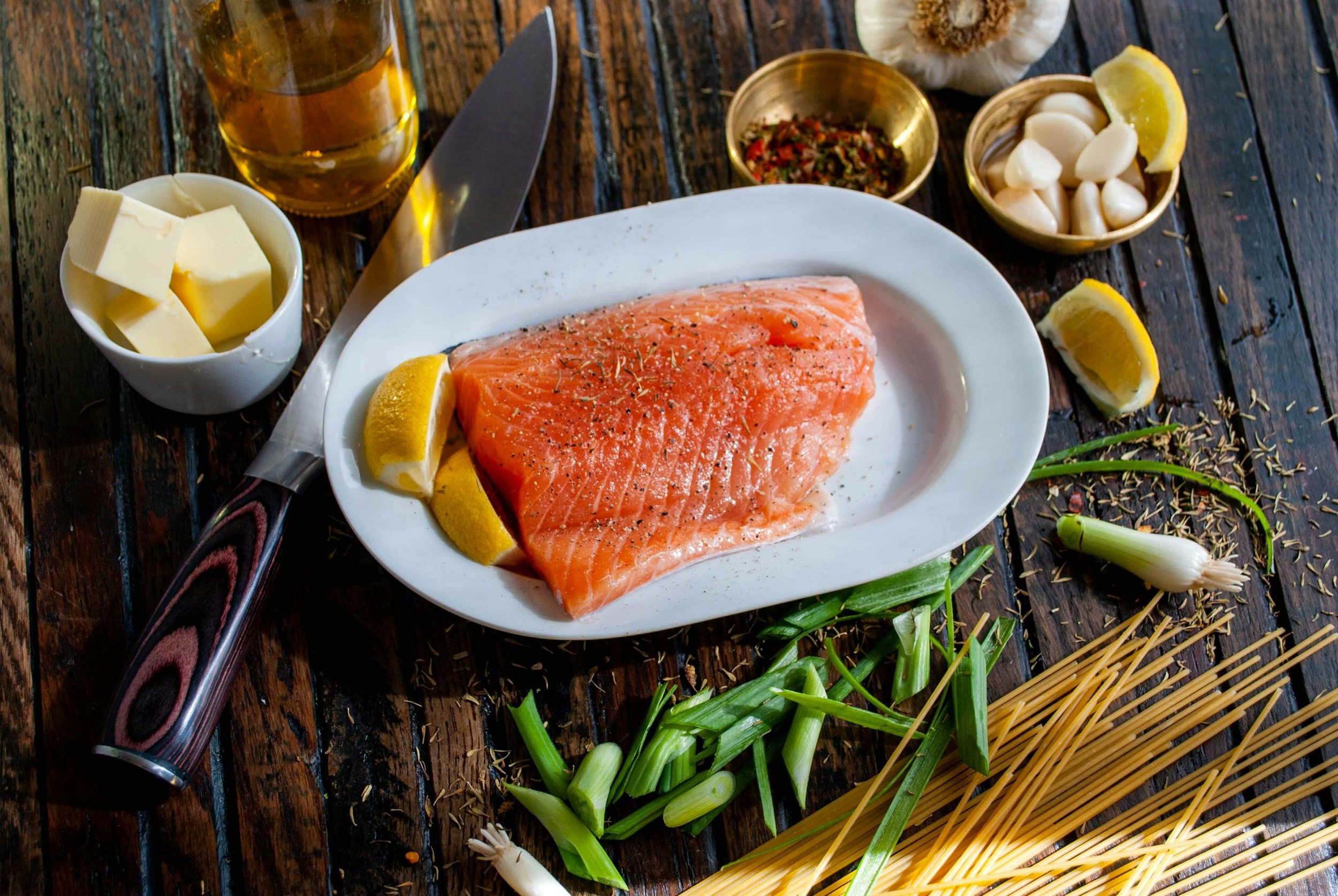
Omega-3 fatty acids (salmon, sardines, mackerel, chia seeds, flaxseed)
Extra virgin olive oil
Colourful vegetables and berries (rich in polyphenols)
Turmeric and ginger
Nuts and seeds
Omega-3 fats are particularly important because they help shift the balance toward less inflammatory prostaglandins.
Consider Reducing:
Ultra-processed foods
Trans fats
Excess refined sugars
Frequent deep-fried foods
This isn’t about perfection, it’s about patterns.
Supporting Oestrogen Metabolism
Endometriosis is an oestrogen-sensitive condition, and while the female sex hormone oestrogen itself isn’t “bad,” how the body metabolises and clears it matters.
Oestrogen is processed in the liver and eliminated through the gut, and if gut health is compromised or constipation is present, oestrogen can be reabsorbed into circulation.
Nutritional Strategies:
Cruciferous vegetables (broccoli, kale, cauliflower, Brussels sprouts)
Adequate fibre intake (aiming for 25–35g daily)
Ground flaxseed (supports healthy oestrogen metabolism)
Adequate protein (for liver detoxification pathways)
Hydration and regular bowel movements
Blood Sugar Balance & Hormonal Signalling
Blood sugar fluctuations can increase insulin levels, which may influence ovarian hormone production and inflammation.
Balanced meals can help stabilise this, and some tips are:
Protein at every meal
Fibre-rich carbohydrates
Healthy fats
Avoiding long gaps between meals
Minimising high-sugar snacks on their own
Protein + Fibre + Healthy Fat at each meal is key here.
This approach also supports low energy, which something many with endometriosis struggle with.
Gut Health & Endometriosis
Endo can also really influence digestive health and the below symptoms can be experienced; this is because the gut and immune system are deeply connected.
Bloating
Alternating constipation and diarrhoea
Food sensitivities
IBS-like symptoms
Supportive Strategies include:
Fermented foods such as sauerkraut and kefir (if tolerated)
Probiotic-rich foods
Identifying triggers without extreme restriction
However, over-restricting can worsen stress and nutrient deficiencies and the goal here is gentle investigation, not fear-based elimination.
Key nutrients to consider:
There are several nutrients here that may be relevant for the endo sufferer:
Vitamin D - Low levels are common in endometriosis and may influence immune regulation. Ensure you take 1000IU daily October-March and consider testing your level.
Magnesium - Supports muscle relaxation and may reduce cramping.
Zinc - Important for immune balance and tissue repair.
Iron - Heavy bleeding increases risk of deficiency so testing is important.
Curcumin - Found in turmeric; has anti-inflammatory properties.
As always, (and I’ve blogged about this before!) supplementation should be personalised and it’s always a good idea to test levels first and work with a nutritionist.
Food should be regarded as a tool; one part of a larger care plan that may include medication, surgery, pelvic physiotherapy, and stress support.
A Final Word
Sadly all too often diagnosis of endometriosis is very often delayed by years. Many individuals are dismissed, the pain becomes normalised and women don’t push for investigation. I speak from experience and this is very much what happened to me; it was only when my bleeding got out of control and fibroids were suspected (yes I had those too!) that the correct diagnostic procedure was performed.
If you suspect endometriosis, please advocate for yourself and seek medical support (and second opinions) because your pain deserves to be taken seriously.
Nutrition won’t ‘cure’ endometriosis, BUT it can support resilience, reduce inflammatory burden and help you feel more empowered in your body.
And that matters….Please don’t hesitate to book a discovery call with me if this resonates and you’re seeking support.